
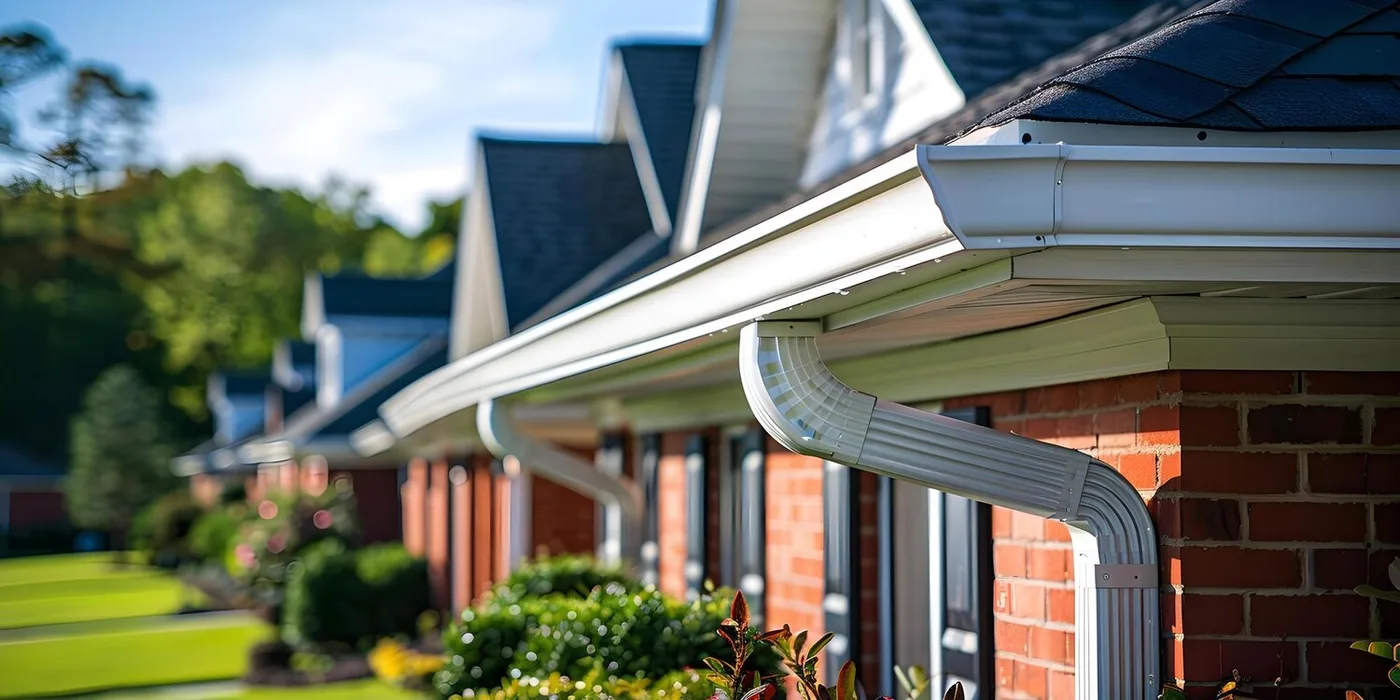
Types of Gutters: Which Material Is Best for Your Home?
You’ll get a clear, friendly guide to aluminum, copper, vinyl, galvanized steel, zinc, and wood gutters. Learn the key pros and cons, costs, lifespan, and simple maintenance tips. See when seamless beats sectional and how installation changes performance. By the end you’ll know which gutter fits your roof and your budget.
Key Takeaway
- Pick aluminum for low cost and no rust.
- Choose steel if you need strong gutters for heavy snow.
- Pick vinyl for the cheapest, easiest DIY install.
- Get copper for a long life and a high-end look.
- Consider your climate, budget, and how much care you want to invest.
Types of Gutters: Which Material Is Best for Your Home? — material pros and cons
You want gutters that protect your house without stealing your time or money. Pick the right material based on budget, climate, and how long you plan to stay in the house. Some materials are light and low-cost; others are pricey but last decades. If your roof sheds a lot of water or you live where winters are harsh, durability and corrosion resistance matter. Appearance also counts—gutters are part of curb appeal, not just functional trim.
Quick snapshot:
- Aluminum — affordable, light, rust-resistant, color options
- Copper — high cost, very long life, elegant patina
- Vinyl — cheap, easy DIY, can get brittle in cold climates
- Steel (galvanized) — very strong, can rust unless well coated
- Zinc — long-lasting, low maintenance, premium price
- Wood — classic look, higher upkeep
| Material | Typical Cost | Typical Lifespan | Key Trait |
|---|---|---|---|
| Aluminum | Low–Medium | 20–30 years | Lightweight, rust-resistant |
| Copper | High | 50 years | Long-lasting, decorative |
| Vinyl | Low | 10–20 years | Easy DIY, can crack in cold |
| Steel (galvanized) | Medium–High | 20–40 years | Strong, may corrode |
| Zinc | High | 50–80 years | Very durable, protective patina |
| Wood | Medium–High | 15–25 years | Aesthetic, needs sealing |
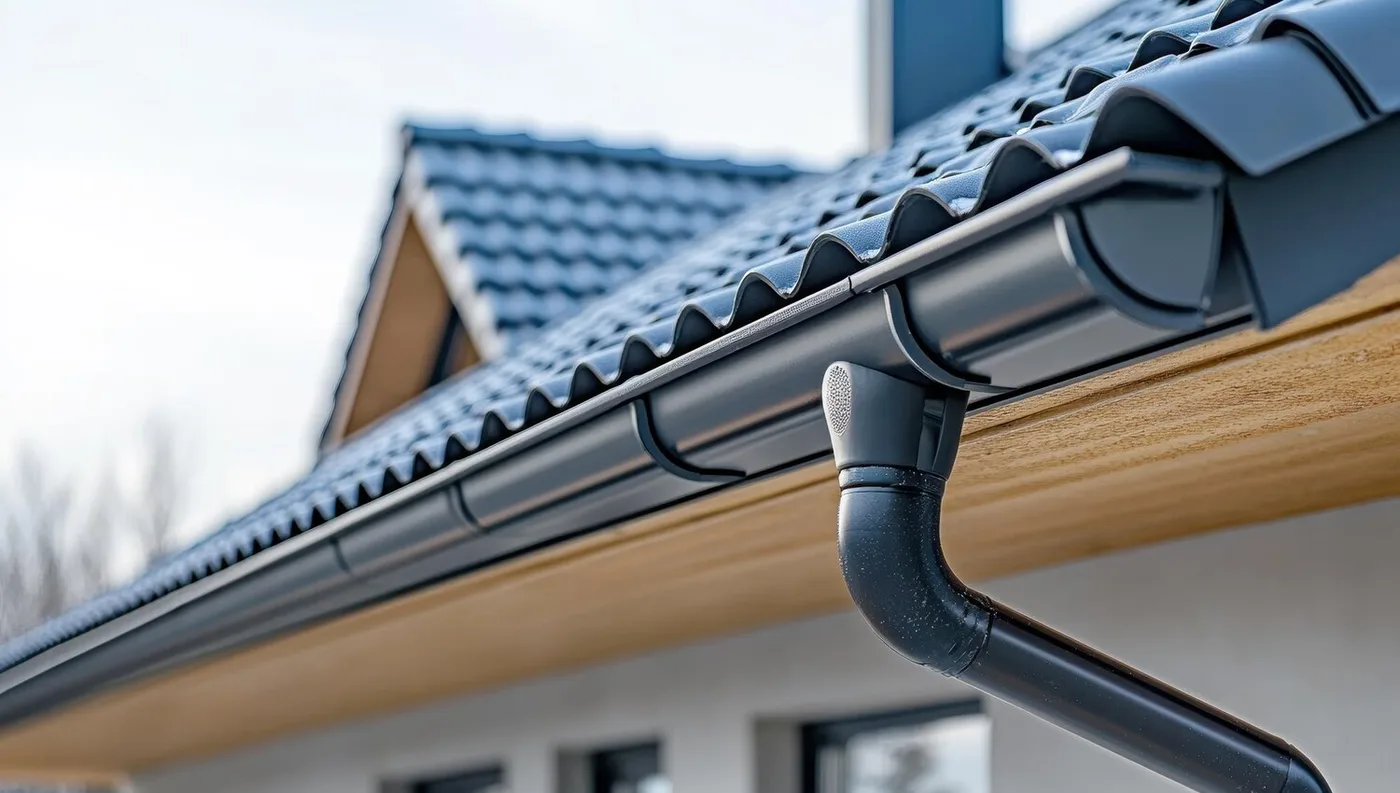
Aluminum gutters — benefits: light and rust resistant
Aluminum balances value and performance. It won’t weigh down your roofline and won’t rust, so it works well near coasts and in rainy climates. Installation is faster (lower labor costs) and you can get precolored or painted options. Trade-offs: aluminum can dent from ladders or hail and may be less ideal for very heavy snowfall.
Copper gutters — pros and cons: long life, higher cost
If you want gutters that look like jewelry on the roof edge, copper is the pick. It develops a green patina and can outlast the house with proper installation. Downside: high upfront cost, potential theft risk, and requires skilled installers for seams and soldering. Copper is an investment: beautiful, durable, and expensive.
Vinyl vs steel vs zinc — durability and longevity
Vinyl is cheap and easy to install yourself but can become brittle in cold weather and warp in intense sun. Steel offers toughness and handles heavy loads, but needs galvanizing or coatings to resist rust. Zinc is premium: long-lasting with a protective patina and low maintenance, but costly and typically requires pro installation.
Gutter material cost comparison and maintenance to find the best gutter material for home
When weighing cost vs. upkeep, think long-term. Aluminum and vinyl often win on initial price and easy installation, but age differently: vinyl can crack in cold, thin aluminum can dent. Copper and stainless or zinc cost more up front but need less fuss later. Ask yourself: do you want low startup cost or fewer headaches down the road? That question is central to “Types of Gutters: Which Material Is Best for Your Home?”
Maintenance shapes your real cost. Cheap gutters may mean frequent repairs and cleaning. Metal gutters may need repainting or seam fixes; copper develops patina and rarely needs paint. Wood requires annual sealing/painting and inspections. Factor in how often you’ll climb a ladder or pay a pro. Consider climate and trees—leafy yards and coastal salt air change expected lifespans. Match material to climate and maintenance willingness.
Galvanized steel gutters — maintenance and corrosion facts
Galvanized steel starts strong due to a zinc coating that fights rust. Over time that coating wears at seams and fasteners; once exposed, rust appears under debris and near rooflines. Inspect for flaking, sand and paint spots, and replace corroded sections to stop leaks. With routine care—clearing blockages and touching up rust-inhibiting paint—galvanized gutters can serve about 20–30 years in many climates.
Wood gutters — aesthetic appeal and care
Wood gutters give character and fit period homes with a handcrafted look. They require sealing or painting (often annually), inspections for rot and insects, and more labor for installation/repairs. With regular care wood can last 15–25 years; neglect shortens life quickly.
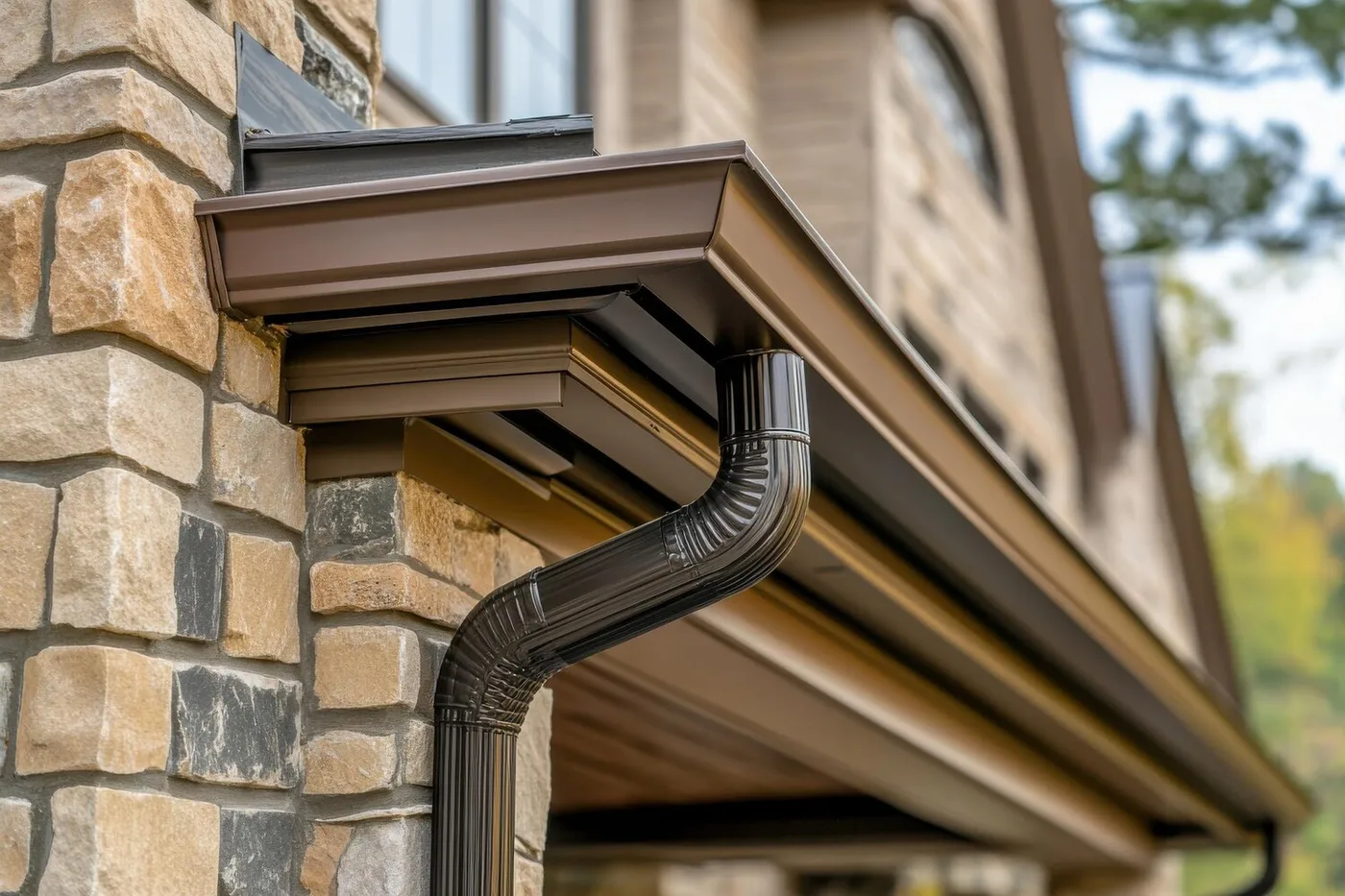
Estimate lifespan and replacement cost to choose the best gutter material for home
Compare typical lifespans and relative replacement costs:
- Vinyl: 15–25 years, low cost
- Aluminum: 20–30 years, moderate cost
- Galvanized steel: 20–30 years, moderate cost with higher maintenance
- Copper: 50 years, high cost
- Wood: 15–25 years, higher upkeep and labor cost
Final replacement cost depends on roof complexity, gutter size, and local labor rates—get multiple quotes before deciding.
| Material | Typical Lifespan | Relative Cost |
|---|---|---|
| Vinyl | 15–25 years | Low |
| Aluminum | 20–30 years | Moderate |
| Galvanized Steel | 20–30 years | Moderate (more maintenance) |
| Copper | 50 years | High |
| Wood | 15–25 years | High (labor & upkeep) |
Seamless gutters — advantages and installation choices for your roof
Seamless gutters reduce leaks because they have far fewer joints. Long runs of continuous gutter fit your roof shape, meaning less patching and fewer surprise repairs after storms. Materials matter: aluminum is light and rust-resistant; steel is strong but can corrode if uncoated; copper looks great and lasts decades but costs more.
Seamless gutters usually require a machine on site and a pro installer, raising upfront cost but lowering long-term maintenance. Choose seamless for long roof runs, heavy rain, lots of trees, or when appearance matters. Choose sectional if you’re on a tight budget, have short runs, or prefer DIY installation.
Seamless gutters advantages: fewer leaks and easier cleaning
Fewer seams mean fewer leak points and smoother water flow. Debris is less likely to catch, so cleaning is often easier and clogging less frequent—reducing ladder time and repair bills.
Sectional vs seamless: what you should know about installation
Sectional gutters come in pieces and are easier for DIY fits on small roofs; every joint is a potential leak. Seamless gutters need pros and equipment but pay off with reduced maintenance and a cleaner look.
Conclusion
You’ve got the map. Pick aluminum for low cost, light weight, and rust resistance. Choose vinyl if you want the cheapest, easiest DIY fix. Go with galvanized steel for raw strength in snowy or rugged climates. Invest in copper or zinc for longevity and a standout look. Consider wood only if you love historic charm and don’t mind the upkeep.
Remember: climate, budget, and maintenance are the three lanes you’ll drive down. Seamless gutters cut down leaks and ladder time; sectional gutters save money up front but add seams. Match material to how you live and what you can maintain. Types of Gutters: Which Material Is Best for Your Home? — choose the material that fits your priorities: comfort now or peace later.
Want more guidance? Read more at https://www.ajguttersllc.com.
Frequently Asked Questions
- Q: Types of Gutters: Which Material Is Best for Your Home?
A: It depends on your budget, climate, and style. Pick aluminum for price and rust resistance, copper for looks and longevity, steel for strength, and vinyl for easy install. - Q: Which gutter material lasts the longest?
A: Copper and zinc typically last the longest—copper 50 years; zinc can last even longer with a protective patina. - Q: Which gutters cost the least up front?
A: Vinyl costs the least upfront. It’s cheap and light but can crack in very cold weather. - Q: Which material needs the least maintenance?
A: Aluminum needs minimal care (won’t rust and is easy to clean). Copper also requires little maintenance aside from occasional cleaning. - Q: Which gutter material looks best on a house?
A: Copper is widely regarded as the most attractive option as it ages to a green patina. Aluminum can be painted to match your home for a good finish.