

How to Prevent Gutter Leaks and Keep Your Roof Dry
How to Prevent Gutter Leaks and Keep Your Roof Dry starts with simple, regular care you can do. Clean your gutters often, clear clogs quickly, and do a quick inspection each season. Add gutter guards to cut clogs and seal small holes right away. Keep downspouts clear so water flows away from your home, and watch for ice dams in winter. These steps help keep your roof dry and your house safe.
Key Takeaways
- Keep your gutters clean so water can flow freely
- Use gutter guards to block leaves and debris
- Find gutter leaks and seal them promptly
- Clear downspouts and direct water away from your home
- Trim branches and check roof flashing for damage
Gutter maintenance tips
Keeping gutters in good shape is easier than you think. Regular care saves money, protects your roof, and avoids messy overflows. Treat gutter maintenance like a regular oil change: simple and consistent. Debris removal prevents clogs that slow water and push it where it shouldn’t go. You’ll notice leaks or sagging less often if you stay on top of it.
A routine approach works year-round. In spring, look for branches and seeds left by trees. In summer, watch for heat warping or loose hangers. In fall, clear leaves, acorns, and pollen before they form stubborn clogs. Winter focuses on freezing and thawing; removing snow buildup helps keep your roof dry. A quick, seasonal check goes a long way toward avoiding costly roof repairs.
For a simple plan, pair a short cleaning session with a quick inspection once per season. You’ll have fewer surprises and keep your gutters flowing. Small efforts add up to big protection for your home.
How to prevent gutter leaks with regular cleaning
Regular cleaning helps you spot problems early. On a dry day, remove loose leaves and debris by hand, then rinse with a garden hose to flush dirt toward the downspout. Look for warped sections, loose nails, or rust along seams. Address any issues before a leak starts—one loose nail can let water seep behind the gutter and damage the fascia.
After cleaning, examine seals at the corners. Cracked or missing sealant is a red flag you should fix right away. Apply exterior-grade sealant along joints where water can slip in. If you have painted gutters, touch up bare metal to prevent rust. Finally, ensure the downspout is clear; a clogged outlet backs up water and can cause leaks at the joints.
If leaks appear after rain, you might have a hidden problem. Check for tiny cracks in the gutter trough, and don’t ignore sagging gutters—sags can funnel water into your siding, not just the ground. Quick fixes keep your roof dry and your walls healthy. Remember: How to Prevent Gutter Leaks and Keep Your Roof Dry is a guiding idea you’ll return to.
Gutter inspection checklist for every season
Seasonal checks save money and headaches. In spring, look for winter storm damage and bird nests. In summer, check for heat-induced warping and loose hangers. In fall, clear leaves before they clog the system. In winter, look for ice dams and frozen joints. Run a simple test by running a light stream of water through the gutter to confirm flow. Any backups or drips mean trouble to fix.
Walk the entire gutter line and tap along its length. Hollow spots or peeling paint indicate problems. Note sections that sit lower than others—signs of sagging from missing brackets or heavy debris. Record findings and address with quick repairs or a professional assessment when needed.
Keep this checklist handy as a quick, repeatable approach to catch leaks before they start.
Simple cleaning steps to prevent roof leaks
- Clear debris from gutters: leaves, pine needles, and dirt that clog water flow and cause leaks at joints or the roof edge.
- Rinse the gutters to flush dirt and verify water flows toward the downspout.
- Inspect for gaps at joints and corners. Apply exterior sealant and replace damaged sections as needed.

Proper gutter installation and guards
Gutter setup is your first line of defense against water damage. Choose the right size, slope, and materials for your home, and install them so water flows toward the downspouts. When done correctly, you’ll see less overflow on rainy days and fewer stains along your siding. Check hanger spacing and ensure gutters sit level. If sagging returns after storms, tighten brackets or add extra hangers. The goal is a solid, continuous channel that moves rain away from your foundation.
Choosing guards that fit your climate helps reduce cleaning. Consider micro-mesh, fine-guard, or foam inserts. Each option trades off wind resistance and debris size. Prioritize guards that reduce clogs without impeding water flow. Guards aren’t a substitute for routine checks—you still need to inspect after heavy storms and occasionally remove stubborn debris.
Gutter protection should match the roof line and eave design. If you have a tight fascia board, you may need a narrower guard profile. For taller homes, guards that are easy to remove for maintenance are beneficial. Planning ahead simplifies future cleaning and keeps water moving smoothly away from your house.
Installing gutter guards to cut clogging
Gutter guards cut clogging but must be installed correctly. Measure gutter width and choose guards that fit snugly along the edge. Anchor guards where hangers are located, ensuring they don’t bend the gutter or block downspouts. A quick water test at the edge confirms water flows over the guard into the gutter.
If leaves pile on top of the guard, you may have chosen the wrong style or nearby branches weren’t trimmed. Prune branches and consider guards with a curved front to encourage water into the channel. For heavy pine debris, micro-mesh or stainless steel guards offer better protection, but clean the mesh periodically to prevent buildup. A well-fitted guard reduces maintenance time and keeps your roof dry longer after storms.
Align guard seams with gutter seams and ensure screws sit flush. Loose screws or gaps let debris sneak in and defeat the guard’s purpose. A precise fit pays off when you compare last season’s cleaning with this season’s.
Gutter repair and sealing after installation
After installing gutters and guards, inspect for leaks and cracks right away. A small leak near a joint can become a big problem if ignored. Use an outdoor-rated sealant compatible with your gutter material. Apply a bead along joints and end caps, then smooth it and let it cure as directed.
If you spot a dent or loose seam, reseal or re-tighten sections. Tighten screws to snug, not overtight, to avoid warping. A rubberized sealant over the seam provides extra protection. Regular checks after heavy rains catch issues early, preventing water from seeping into walls or the foundation. For longer-term resilience, replace cracked sections and match weight and color for a seamless look. After repairs, test by running water along every seam to confirm no drips and proper drainage toward the downspouts.
Preventing ice dams and roof water damage
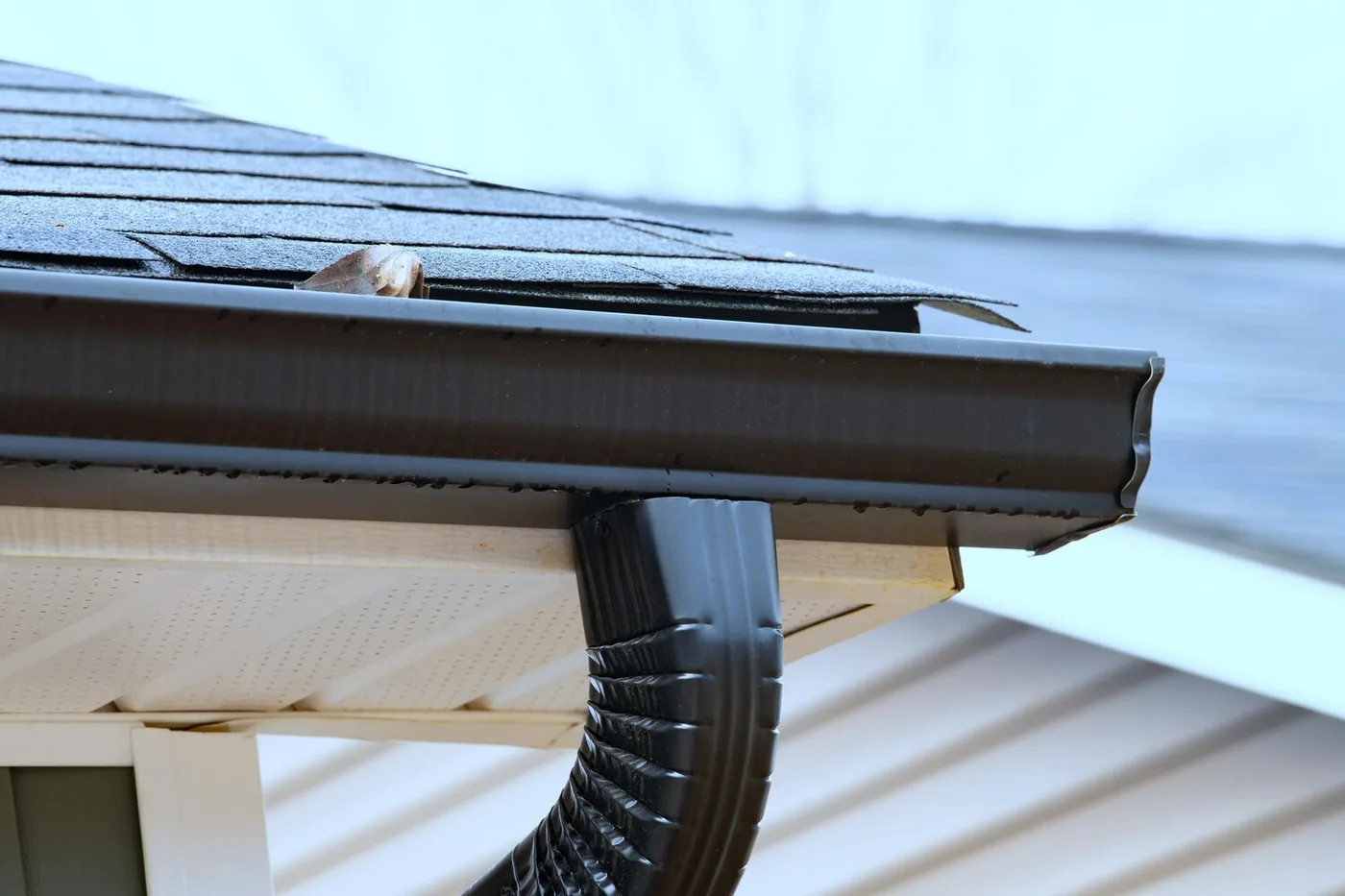
Ice dams form when heat from the attic melts snow on the roof, which refreezes at the eaves, backing up water under shingles. To keep your roof dry, prioritize drainage and clear gutters. Ensure gutters are aligned and downspouts direct water away from your foundation. The goal is simple: move water away from the roof quickly and prevent ice buildup at the edge. Regular maintenance now saves big headaches later.
A solid gutter setup reduces ice formation along the roof edge. For flat slopes or many valleys, improved drainage and proper joint sealing help. Seal gaps where warm attic air escapes. A well-sealed attic makes it harder for heat to reach the roof, reducing the melt-and-refreeze cycle and limiting ice on the eaves.
If you notice water stains or damp spots during winter, don’t ignore them. They signal drainage issues. Inspect gutters for sagging sections, loose hangers, and clogged downspouts. Addressing these issues now minimizes costly repairs and keeps your home drier in winter.
Roof drainage solutions to keep water away
Proper slope and clear pathways for runoff are essential. Ensure gutters have a slight downward angle toward the downspouts and that debris isn’t backing up flow. If water pools after rain or thaw, consider larger or additional downspouts to move water away faster. In colder climates, heated cables or roof de-icing mats at the edge can help melt ice before it builds up. Mapping where water drains from your roof helps identify where to reroute downspouts or add splash blocks to direct water away from the house. Use sturdy hangers every 18 inches to keep gutters aligned. Regular post-storm checks catch problems early, and keeping the roof line clear of pine needles and leaves prevents clogs that drive water back toward the roof.
Cleaning gutters to prevent roof leaks in winter
Cleaning gutters before winter is one of the easiest ways to stop leaks. Remove leaves, twigs, and dirt so water flows freely. A clear gutter moves meltwater quickly to the downspout, reducing ice dam risk. Don’t overlook small twigs that wash in during a storm—they can clog a downspout. Wear gloves and use a sturdy ladder; never stand on the gutter itself. If you have narrow gutters, a hand broom may suffice.
After cleaning, inspect sealants and joints for gaps. Reseal cracks and replace damaged sections. In winter, ensure spouts and gutters are dry before sealing so the seal sticks properly. A twice-yearly cleaning cycle—fall and late spring—keeps you ahead of leaks. If you’re short on time, a gutter cleaning service can help, but you’ll still need to verify the results.
Seasonal tips for gutter leak prevention
- Check hangers to prevent sagging
- Keep downspouts clear of leaves and debris
- Add splash blocks to direct water away from the foundation
Seasonal tips: Winterize your gutter system
Winterize by ensuring attic heat loss doesn’t excessively warm the roof edge. A well-insulated attic helps prevent ice dams, so maintain insulation and seal air leaks around attic hatches and vent pipes. Check for rust or cracks in metal gutters and replace damaged pieces before cold sets in. Clear gutters after major storms and again after heavy snowfall so water has a clear path off the roof. If you see ice near the edge, add de-icing measures or call a professional to address the problem before it causes leaks.
Conclusion
Staying proactive with a simple, regular gutter routine keeps your roof dry and your home safe. Keep gutters clean so water flows freely, protect them with gutter guards when appropriate, and seal gaps promptly. Ensure downspouts direct water away from your foundation, and watch for ice dams in winter. Do a quick seasonal inspection each season and address any sagging, loose hangers, or damaged joints promptly. A small habit—short cleaning plus a quick check—adds up to significant protection and real cost savings over time. When help is needed, a professional assessment can keep your roof dry and your walls healthy.
Frequently asked questions
- What’s the first step to prevent gutter leaks and keep your roof dry?
Start by cleaning your gutters. Remove leaves, twigs, and nests. Check downspouts for clogs. Make sure water flows away from your roof. - How often should you clean your gutters to avoid leaks?
Clean at least twice a year—spring and fall. Clean more often if you have many trees. - Can gutter guards stop leaks and keep your roof dry?
They help reduce debris and clogs, but you still must check seals and joints. - How do you fix small gutter leaks fast?
Dry the spot, apply gutter sealant or silicone, press it in, and let it cure. Recheck after the next rain. - When should you call a pro to keep your roof dry?
Call a pro if leaks persist, if gutters sag or pull away, if fascia or roof show rot, or if you’re not safe on a ladder.