
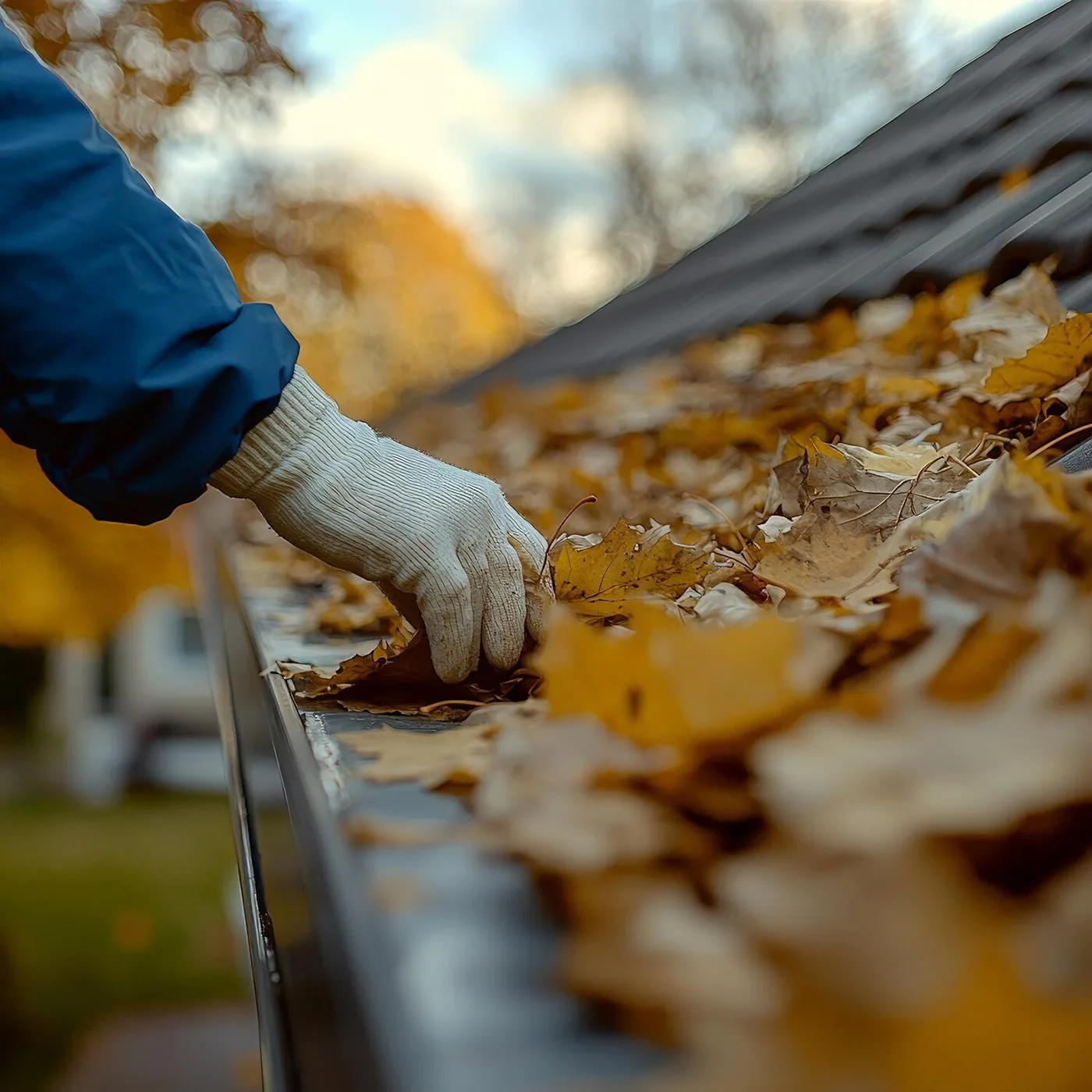
How Often Should You Clean Your Gutters?
You should plan for spring and fall cleanings and aim for at least twice a year. Clean after storms and during heavy leaf fall, or sooner if you see overflow stains, sagging, or standing water. This guide shows when to DIY, when to hire a pro, and what to check before you climb.
Key takeaway
- Clean gutters in spring and fall (base rule: at least twice a year).
- Inspect after storms (within 24–48 hours) and during heavy leaf drop.
- Remove leaves and debris so water can flow.
- Expect more cleanings if trees overhang your roof.
- Hire a pro if the job is unsafe or gutters are damaged.
How Often Should You Clean Your Gutters? Follow a spring-and-fall schedule
The short answer to “How Often Should You Clean Your Gutters?” is: at least twice a year — spring and fall. That baseline keeps rainwater moving away from your roof and foundation. Adjust frequency by roofline, trees, and climate.
Recommended frequency (baseline)
| Home condition | Recommended frequency |
|---|---|
| Few trees, light debris | Twice a year |
| Many trees, heavy leaf drop | 3–4 times a year |
| Roof near pine needles or seeds | 3 times a year |
| Gutter guards installed | Twice a year (check guards) |
If you notice standing water, sagging gutters, or water stains on siding, clean immediately. Quick action prevents costly repairs.
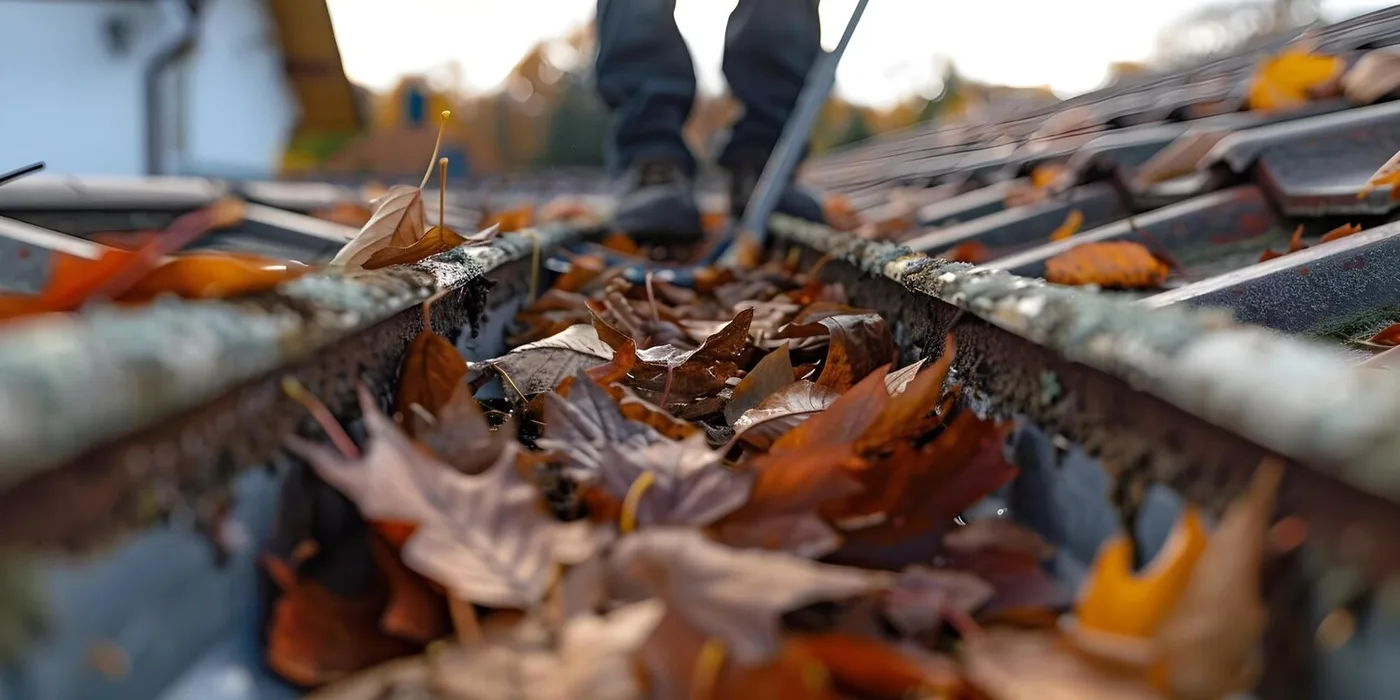
When to clean after storms and during leaf fall
- After a heavy storm: inspect within 24–48 hours.
- During peak leaf fall: check every 2–4 weeks.
- If you see visible overflow: clean immediately.
If trees hang over the roof, expect extra cleanings. A quick look after bad weather can stop clogs before they form.
Spring and fall checklist for seasonal gutter cleaning
| Task | Why it matters |
|---|---|
| Remove leaves and twigs | Prevents clogs and overflow |
| Flush with a hose | Reveals slow spots and leaks |
| Check downspouts | Ensures water flows away from house |
| Inspect hangers and seams | Prevents sagging and leaks |
| Clear splash blocks/extensions | Protects foundation |
Quick steps:
- Wear gloves and eye protection.
- Scoop debris by hand or with a tool.
- Run water to check flow.
- Tighten loose hangers and seal small leaks.
Do these each spring and fall to keep gutters functioning.
Gutter cleaning frequency by climate and yard — How Often Should You Clean Your Gutters?
Your climate and trees set the schedule. Ask: do your gutters look clogged after a storm? Use these simple rules to keep water moving away from your home.
By climate
| Climate | Typical frequency | Why |
|---|---|---|
| Wet / Rainy | 3–4 times a year | Heavy rain brings debris and causes overflow |
| Snowy / Freeze–thaw | 2–3 times a year (plus spring check) | Melting snow and ice dams can block flow |
| Dry / Arid | 1–2 times a year | Less leaf buildup, but dust and nests still occur |
Real-world tip: in very wet regions (e.g., PNW), check quarterly to prevent moss and leaks.
By yard / trees
| Yard condition | Typical frequency | Quick action |
|---|---|---|
| Many deciduous trees (oaks, maples) | Every 1–2 months in fall; 3–4×/yr otherwise | Watch piles at downspouts |
| Evergreens / pine needles | 3–4×/yr | Needles pack and sneak past screens |
| Few/no trees | 1–2×/yr | Focus on spring and fall |
| Fruit trees / sticky sap | Every 1–2 months | Sticky debris clogs fast |
If your yard drops many leaves, treat gutter cleaning like lawn care — regular maintenance.

Signs you need gutter cleaning: overflow stains and sagging
Watch for these red flags:
- Overflowing water during rain — gutters are blocked.
- Stains on siding under gutters — water isn’t draining.
- Sagging gutters or detached hangers — debris weight.
- Plants growing in gutters — long-term buildup.
- Puddles near foundation after rain — risk of basement leaks.
If you spot any signs, clean now or call a pro.
Gutter installation and maintenance intervals you should follow
Keep gutters in good shape to avoid leaks, rot, and roof damage.
Suggested frequency by situation
| Situation | Suggested frequency | Why |
|---|---|---|
| No trees nearby / few leaves | Once a year | Little debris; quick check prevents surprises |
| Moderate tree cover | Twice a year (spring fall) | Seasonal leaf/seed buildup |
| Heavy tree cover (oaks, maples, pines) | Every 3 months | Prevent backups |
| Homes with gutter guards | Once a year (plus spot checks) | Guards reduce, not eliminate, debris |
| New gutter installation | Inspect at 3 months, then at 1 year | Early checks catch loose hangers or leaks |
An early 3-month inspection after installation can save a major repair later.
When to hire a pro vs DIY — and how to inspect gutters
Decide by safety and damage level.
When to hire a pro:
- Two-story or taller homes (ladder risk).
- Visible damage: big leaks, sagging, or detached sections.
- Large blockages or nests you can’t reach.
- You feel unsafe on a ladder.
When you can do it yourself:
- Single-story homes with easy ladder access.
- Light debris and no structural damage.
- You have basic tools and a helper.
Quick inspection checklist (ground or short ladder):
- Look for sagging or gaps under the gutter.
- Check for rust, holes, or leaking seams.
- Watch for splash marks on siding (overflow).
- Confirm downspouts point away from the foundation.
- Test flow by pouring a bucket of water into the gutter.
If you see standing water after heavy rain, call a pro — it indicates poor slope, clogged downspout, or loose hangers.
Safety steps and inspection tips before you clean gutters
Safety first:
- Use a sturdy ladder on solid ground and have a partner hold it.
- Wear thick gloves and eye protection.
- Don’t work in wet or windy weather.
- Use a ladder leveler/stabilizer on uneven ground.
- Never stand on the top two rungs.
Inspection tips:
- Walk around and look for fascia rot or paint peeling.
- Put a tarp below to catch debris and protect plants.
- Check gutter slope by sighting down its length. Water should run to the downspout.
- Open the bottom of the downspout to see if it drains freely.
- After cleaning, run water from the roof edge and watch the flow for leaks.
Simple test: pour water near a seam. If it leaks, mark and reseal or tighten hangers.
Conclusion
Keep it simple: clean in spring and fall, and aim for at least twice a year. Adjust for trees, climate, and storms. Clean after storms (within 24–48 hours) and check more often during heavy leaf fall. Act when you see overflow stains, sagging, or standing water. Know when to DIY and when to hire a pro. A little maintenance is cheap insurance against big headaches later.
For more tips, visit https://www.ajguttersllc.com.
Frequently asked questions
Q: How Often Should You Clean Your Gutters?
A: At least twice a year — spring and fall. Increase frequency if you have lots of trees, pine needles, or heavy rainy seasons.
Q: Do you need to clean gutters after storms?
A: Yes. Inspect within 24–48 hours and clean if debris or overflow is present.
Q: How do you know if your gutters need cleaning?
A: Look for overflowing water, sagging gutters, plants growing in the trough, or puddles near the foundation.
Q: Can you go longer than a year without cleaning gutters?
A: Not recommended. Debris builds up and increases risk of leaks, pests, and roof damage. Inspect at least once a year.
Q: How often should you clean gutters if you have many trees?
A: Typically every 2–4 months during leaf season; check monthly in heavy fall.
Q: Will gutter guards eliminate cleaning?
A: No. Gutter guards reduce debris but do not eliminate maintenance. Expect at least yearly checks and spot cleaning.