
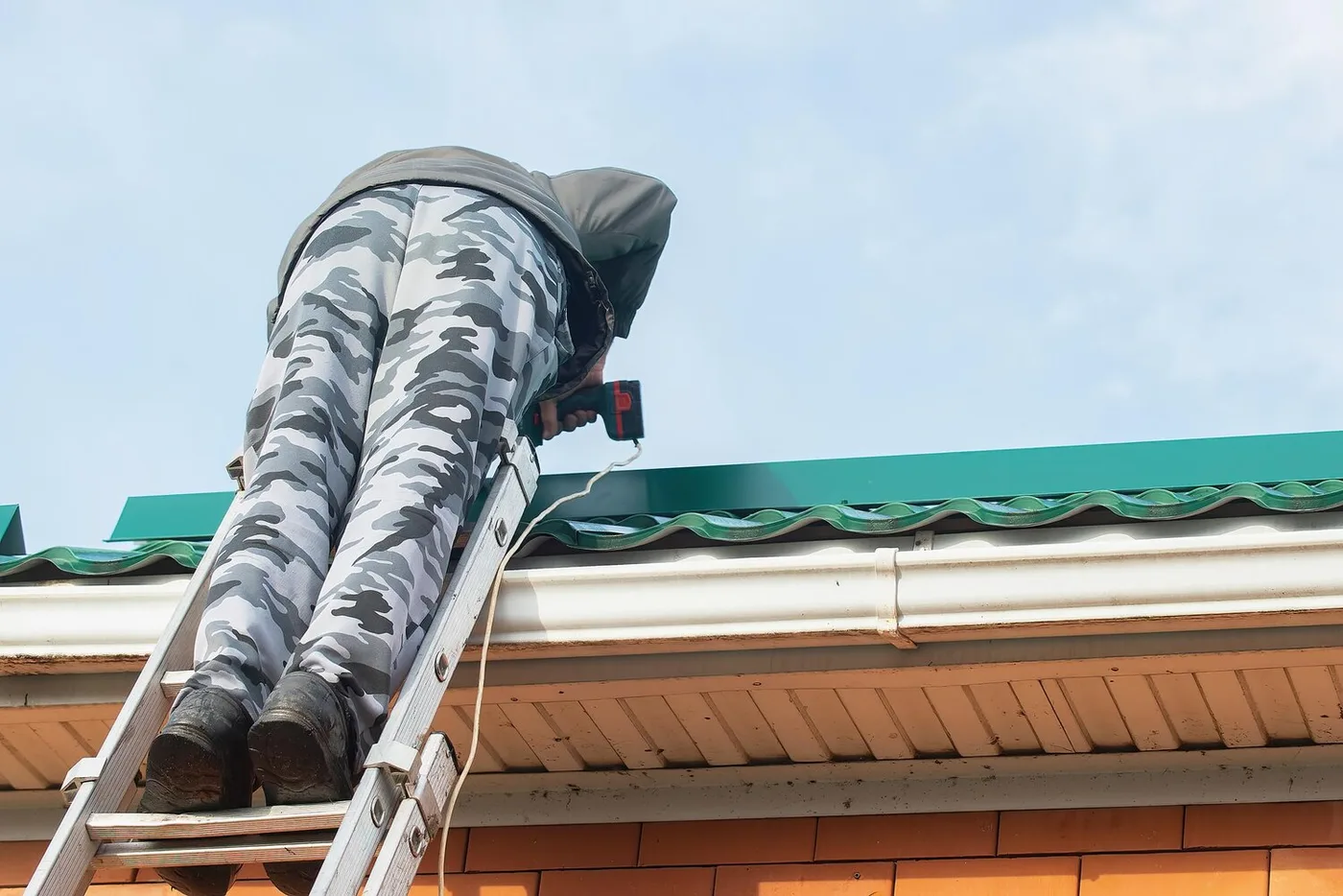
Common Gutter Repairs: Fixing Leaks, Rust, and Loose Sections
This guide shows you how to spot leaks and read the common signs fast. You’ll get quick tests and simple DIY fixes with the right materials and step-by-step directions. Learn about rust, safe removal, when to repair or replace, and how to tighten loose fasteners and fix joints and downspouts. Finish with tips on preventing corrosion, cleaning schedules, and easy seasonal checks to keep your gutters healthy.
Key Takeaways
- Clear debris before any repair.
- Check seams and joints for leaks.
- Patch small leaks with sealant.
- Remove rust or replace corroded parts.
- Tighten hangers and secure loose sections.
How You Spot Common Gutter Leaks
Gutters reveal leaks when they aren’t performing as expected. Look for staining on siding and small drips that echo inside during rain. Pools near downspouts after a shower indicate the system isn’t directing water away properly. Leaks aren’t always loud; they can hide behind fascia, so careful inspection is needed. Catch trouble early to protect wood and foundation.
Signs of a Gutter Leak
- Water marks under the gutters after rain, especially around joints or seams
- Peeling paint or dry, swollen wood around the fascia
- Drips along the gutter or damp attic ceiling after heavy rain
- Moss or algae on gutters from trapped moisture
- Sagging sections that pull away when fully loaded with water
If you notice any of these, you likely have a leak or one developing. Small drips can quickly become bigger problems, especially in winter when ice expands.
When to Call Gutter Leak Repair Pros
- Crack lines wider than a pencil or multiple leaks along a long run
- Gutters feel loose, slide when touched, or pull away from the wall
- Downspouts don’t drain water away from the foundation after rain or melt
If unsure, a quick professional check can prevent costly damage. Pros spot hidden leaks, rust spots, and loose hangers you might miss, protecting your home and wallet.
Quick Tests You Can Run
Imagine a rainstorm and perform these checks. Do a visual sweep for dripping or wet spots along seams while water pours from a hose. Note where water lands—if not directed toward the downspout, the joint is suspect. Use a garden hose to spray water along the gutter line and watch for leaks around corners and brackets. If water escapes or pools, you’ve found a leak needing attention.
- Quick touch test: run a finger along the seam to feel for dampness or mold near joints.
Fix leaks sooner rather than later to keep your home dry and sturdy.
Common Gutter Repairs: Fixing Leaks, Rust, and Loose Sections
- Leaking seams: Apply weatherproof sealant or replace damaged sections. Re-seal with a high-quality gutter caulk for a lasting patch.
- Rust spots: Scrape away the rust, prime the metal, and seal with rust-proof paint or replace the affected piece if too corroded.
- Loose hangers: Refasten with stronger screws or add extra brackets to support heavy water loads.
- Downspouts that won’t drain: Clear blockages and reconfigure to improve flow and prevent backflow.
Sealing Leaking Gutters: DIY Fixes
Leaking gutters can harm siding and landscaping, but many fixes are DIY-friendly. Start by inspecting from ground level and up a ladder to locate water dripping. Common issues are seam leaks, hole leaks, and gaps where the gutter meets the downspout. Tackle easy fixes first, then move to tougher spots if leaks persist.
Leaks are usually caused by small cracks or worn sealant. Keep the work area dry and plan steps so tools don’t slip. If a leak is at a joint, you may need to re-secure the joint before resealing. The goal is a clean, watertight seal that directs water away from your home.
After sealing, ensure proper drainage. If damp spots appear after rain, recheck for missing sealant or loose screws. A hose test helps observe flow and spot leaks. Some gutters are beyond DIY fixes; call a professional to avoid bigger problems.
Materials for Sealing Leaking Gutters
Essential tools include a caulk gun, gutter sealant suitable for aluminum or steel, a scratch pad, cleaner or alcohol wipes, a putty knife, gloves, and a ladder. Patch kits or heat-welded tape may be needed for seams. For rust spots, have a rust remover or wire brush and rust-inhibiting primer. Gather supplies to avoid mid-job trips.
Choose sealant that matches gutter material. Aluminum gutters need aluminum-specific sealant; painted gutters need paintable sealant to blend. Avoid cheap caulks that shrink in cold weather. A thorough cleaning improves seal longevity.
Step-by-Step for Fixing Gutter Leaks
1) Clean around the leak, removing debris and old sealant. 2) Dry completely. 3) Apply a generous bead of sealant along the leak or seam. 4) Smooth with a putty knife, removing air bubbles. 5) For holes, apply a patch or repair tape, then seal the top. 6) Let cure per manufacturer’s instructions before testing with water. 7) Test along the length with water to confirm no drips.
If a corroded seam requires replacement, remove the damaged section, dry the area, and install a new piece with joints sealed. Tighten screws and brackets after sealing to reduce future leaks.
When Sealant Is a Short-Term Fix
Sealant can stop leaks temporarily. If leaks recur at the same seam after rain, the gutter may be cracked or dented beyond repair. Consider replacing the damaged section or resealing joints if you have metal gutters. Weather conditions matter; sealant can soften in heat and crack in cold. Use sealant as a temporary measure while you source a proper repair.
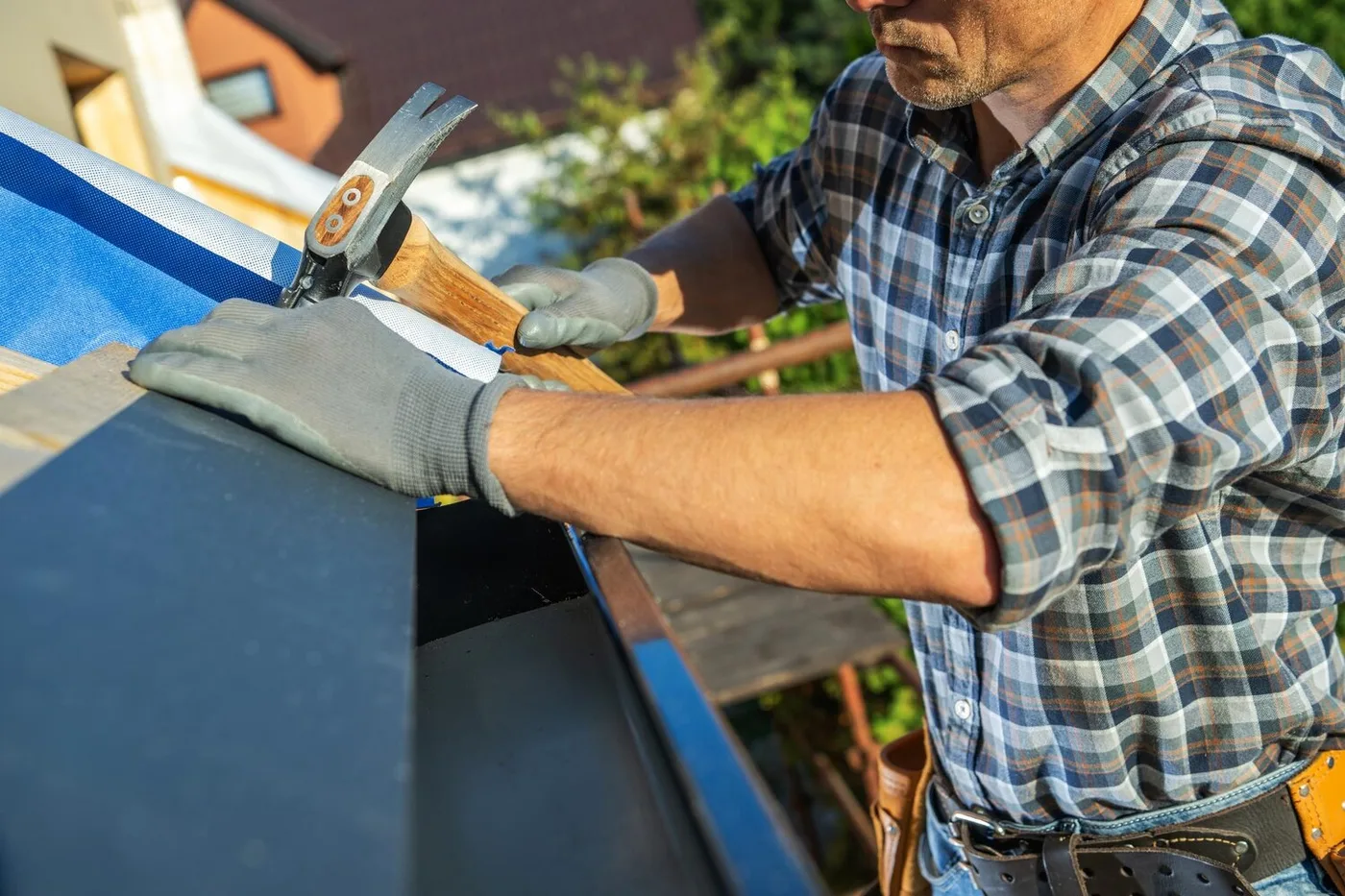
Rusted Gutter Repair and Rust Removal
Rusted gutters don’t have to mean replacement every time. Learn how rust forms, how to prevent further damage, and practical steps for safe rust removal.
Rusted sections can drip onto siding and cause more problems if ignored. Understanding rust helps you spot trouble early and save money. You’ll find fixes that suit most homes and tips to slow rust’s return. Treat rust like a slow leak you can stop with the right tools and steps.
How Rust Forms and Preventing Gutter Corrosion
Rust forms when water meets metal long enough to wear away coatings, often starting at seams, nails, and brackets where paint or sealant wears thin. Brown patches or flaking coating appear first; holes can follow if ignored. Prevention focuses on keeping water away from exposed metal and quickly sealing small breaches. Regular debris removal, trough cleaning, and proper drainage help prevent pooling.
To prevent corrosion, treat tiny spots early. Use a wire brush to remove loose rust, then apply a rust converter or metal primer that blocks moisture and oxygen. Repaint with high-quality exterior paint that resists moisture. A routine of post-storm checks, debris sweeping, and resealing joints goes a long way toward extending gutter life.
Common rust points include seams, bolts, brackets, and sun-exposed areas where paint has chipped. If coating failure occurs there, corrosion is likely underneath. Address these issues promptly to avoid leaks later. The goal is to keep metal dry and coated.
Safe Rust Removal for Gutters
Protect yourself with gloves, eye protection, and a mask when sanding. For light rust, a wire brush or sandpaper works well to remove the rusted surface. If rust is stubborn, a rust remover can help—test on a small area first. After rust removal, dry the area completely and apply rust converter to neutralize remaining rust. Then prime with a metal exterior primer and finish with moisture- and temperature-resistant paint. For larger areas or thin metal, consider a patch or professional help to avoid weak points.
If you’re unsure about your gutter material (aluminum, steel, or galvanized steel), choose the right remover, primer, and paint. Aluminum resists rust but can corrode if the coating is damaged; steel and galvanized steel rust more readily if the coating is compromised.
Repairing Loose Gutter Sections and Fasteners
Fixing loose sections ensures proper water flow and protects siding. Start by inspecting every joint and fastener along the run. If you see gaps, sagging, or movement, you’re dealing with loose sections. You can handle this yourself or enlist a professional if heights feel risky.
Remove debris to reveal the true issue. Leaves and dirt can hide loose fasteners and mask the real problem. Check hanger spacing; more than about half an inch of movement indicates spacing needs adjustment. Tighten or replace hangers to restore a solid seating.
Test the gutter after fixes. Gently push along the section to check for wobble, then spray water to verify there are no drips. If leaks persist at joints, reseal with waterproof sealant. Keep a bucket for dropped screws and wear gloves.
How Loose Gutter Fastener Repair Works
Reattaching the gutter to supports involves removing old fasteners, cleaning mounting areas, and installing new fasteners that grip securely. Replace damaged hangers with ones that fit your gutter size and style. The goal is to restore proper alignment so water flows to the downspout.
Choose corrosion-resistant fasteners appropriate for your gutter and fascia. Stainless steel or aluminum fasteners work well for most homes. For wooden fascia, use wood screws with washers. Always countersink screws so they sit flush and don’t snag on ladders or gloves.
Recheck the system after replacement. Test with a water stream to ensure a clean path from spout to downspout. If leaks appear, reseal with a quality gutter sealant and let cure before heavy rain.
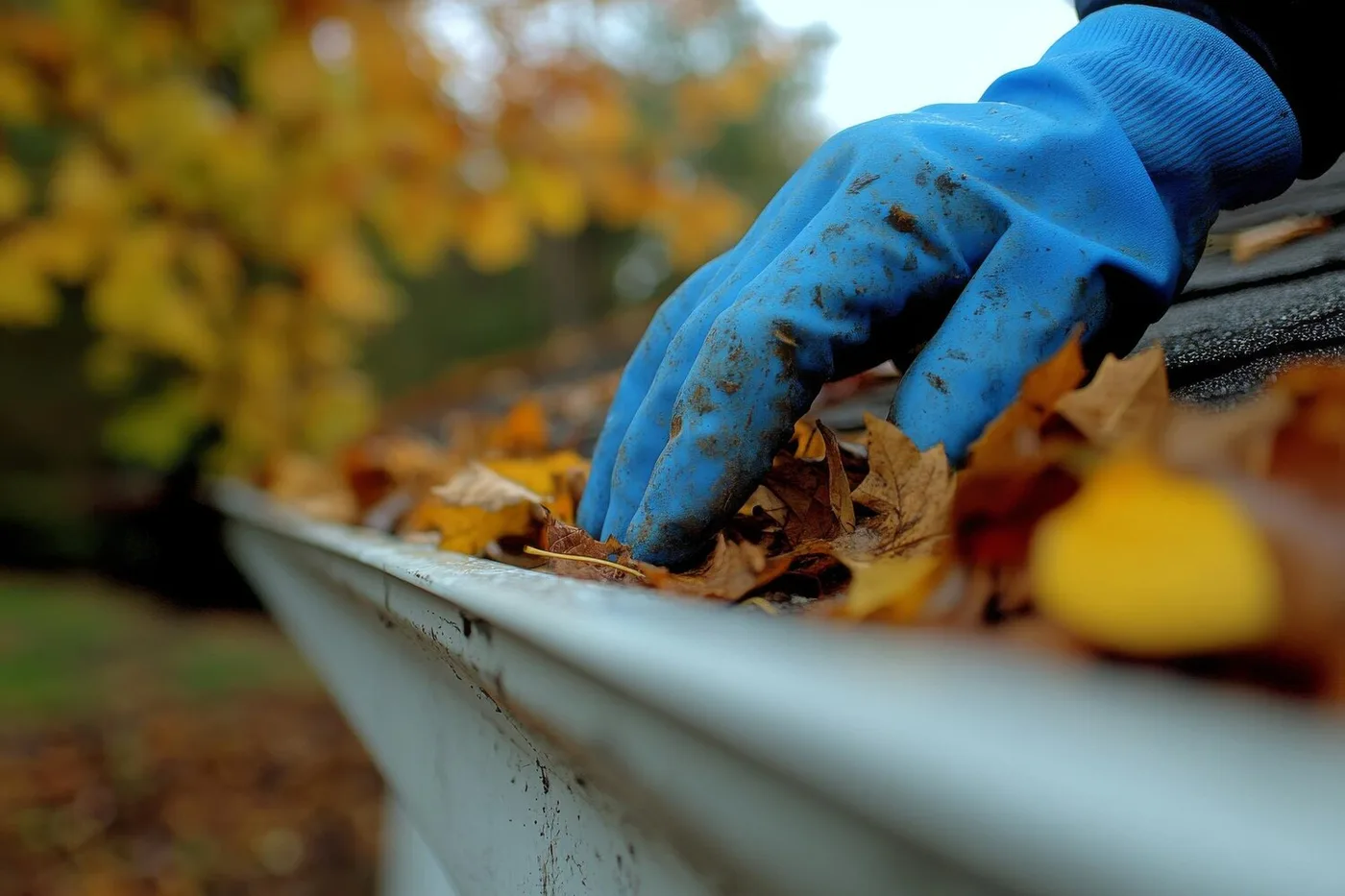
Signs You Need to Repair Loose Gutter Sections
- Gutter pulling away from the house
- Visible sagging or gaps between gutter and fascia
- Water runoff dripping from the front edge instead of toward the downspout
- Rust or worn fasteners
- Mold or wood rot near fasteners
If you notice pooling around the downspout after a rain, inspect spots you can’t see from ground level.
Best Clips and Screws to Use
Choose corrosion-resistant clips and screws that fit your gutter type. Stainless steel or galvanized screws are reliable; plastic clips can work for light gutters. Clips should secure the gutter without cracking the fascia. Use matching materials (aluminum with aluminum screws, etc.) and consider wood screws with washers on wood fascias. Space fasteners evenly to maintain level alignment.
Fixing Joints, Seams, and Downspouts
Inspect joints and seams for water sneaking in and ensure downspouts direct water away from the foundation. Clean the area thoroughly before resealing or re-securing with butyl tape, silicone sealant, or a compatible gutter sealant. If joints are heavily corroded, replace the joint or the short gutter section. For downspouts, check connections and bends; tighten screws or rivets and reseal. If sections are crushed or dented, replacing is wiser than bending back into shape. Water should follow a clear path from seam to downspout.
Gutter Joint and Seam Repair Tips
- Start with a clean, dry surface
- Use sealant compatible with your material
- Apply a continuous bead and smooth it
- Match any replacement joint to the existing size and profile
- Fasteners should be snug but not over-tightened
Downspout and Gutter Leak Fix Steps
- Map leaks from roofline to ground
- Detach and clean downspout joints
- Reseal or replace gaskets as needed
- Replace dented sections instead of bending back
- Re-tighten and test with a light hose spray
- If leaks persist, add an exterior sealant bead
Prevent Clogs at Joints and Downspouts
- Install guards or screens at gutter openings
- Clean regularly, especially in autumn
- Use a small brush to clear joints and downspout entrances
- Watch for plant growth that can push seals loose
- Ensure downspouts direct water away from the foundation; use splash blocks or extensions as needed
Preventing Gutter Corrosion and Future Leaks
Gutters endure weather, dirt, and wear; stop problems before they start. Choose durable materials, keep the system clean, and perform quick repairs when needed. This reduces rust, holes, and loose sections after storms.
Rust and corrosion often occur where water sits or debris blocks flow. Start with proper materials and coatings, then maintain cleaning and inspections to catch issues early. Regular cleaning and timely fixes keep gutters healthier and reduce big repairs later.
Cleaning Schedule to Avoid Fixing Gutters Leaks
Clean gutters at least twice a year and after big storms if overflow occurs. Remove leaves, twigs, and dirt from troughs and downspouts, then rinse to verify flow. While cleaning, check for rust, dents, or sagging sections and mark issues for future attention. If a stubborn clog resists removal, call a professional. Keeping a simple log of cleaning dates, observed issues, and actions helps you spot patterns and address root causes quickly.
Coatings and Treatments for Preventing Gutter Corrosion
Choose coatings that suit your metal. A rust-inhibiting primer and paint can significantly extend life. Apply a protective layer on exposed metal and seal seams and joints. Consider specialty coatings designed for gutters or roof runoff systems, reapplying as recommended after maintenance. If unsure, consult a local pro for color-matching and coating options that resist UV and moisture. A good coating forms a flexible film that withstands temperature changes.
Conclusion
You’ve learned how to spot leaks, read signs quickly, and carry out practical DIY fixes with the right materials. By staying proactive with visual checks, simple tests, and timely maintenance, you’ll prevent rust, holes, and loose sections from turning into costly damage. Remember to clear debris, seal seams, and tighten hangers so water flows away from your foundation. Use the right sealant and test after every repair to confirm a watertight fix. If you’re unsure or the project feels risky, don’t hesitate to call a pro—your home will stay drier, safer, and cheaper to maintain with proper care. Establish a routine: regular cleanings, coatings, and seasonal checks to keep gutters healthy and save money over time.
Frequently Asked Questions
- How do you stop a small leak in your gutter? Find the leak, clean the spot, and apply gutter sealant or patch tape. Press and let dry.
- Can you fix rusted gutters or do you need to replace them? Light rust can be sanded and painted; large holes may require patching or replacement.
- How do you tighten loose gutter sections fast? Tighten hangers and brackets, add new screws or hangers if needed, and check alignment.
- What tools do you need for Common Gutter Repairs: Fixing Leaks, Rust, and Loose Sections? Ladder, gloves, sealant, patch tape, screwdriver or drill, wire brush—simple, affordable tools.
- When should you call a pro for Common Gutter Repairs? If roofs are steep, damage is extensive, or you don’t feel safe performing the work. Pros fix it quickly and correctly.